
The Maple Story
Maple Syrup goes on a journey starting in our northern forests, where the world’s finest syrup is born. Maple sap is taken straight from the trees as they wake up for Spring. It is then boiled down to maple syrup in a process that has gone mostly unchanged for centuries.
Click on the video below to view a "Season in the Life of a Maple Producer", our brand-new video story highlighting the hard work maple producers go through to make maple syrup a reality!


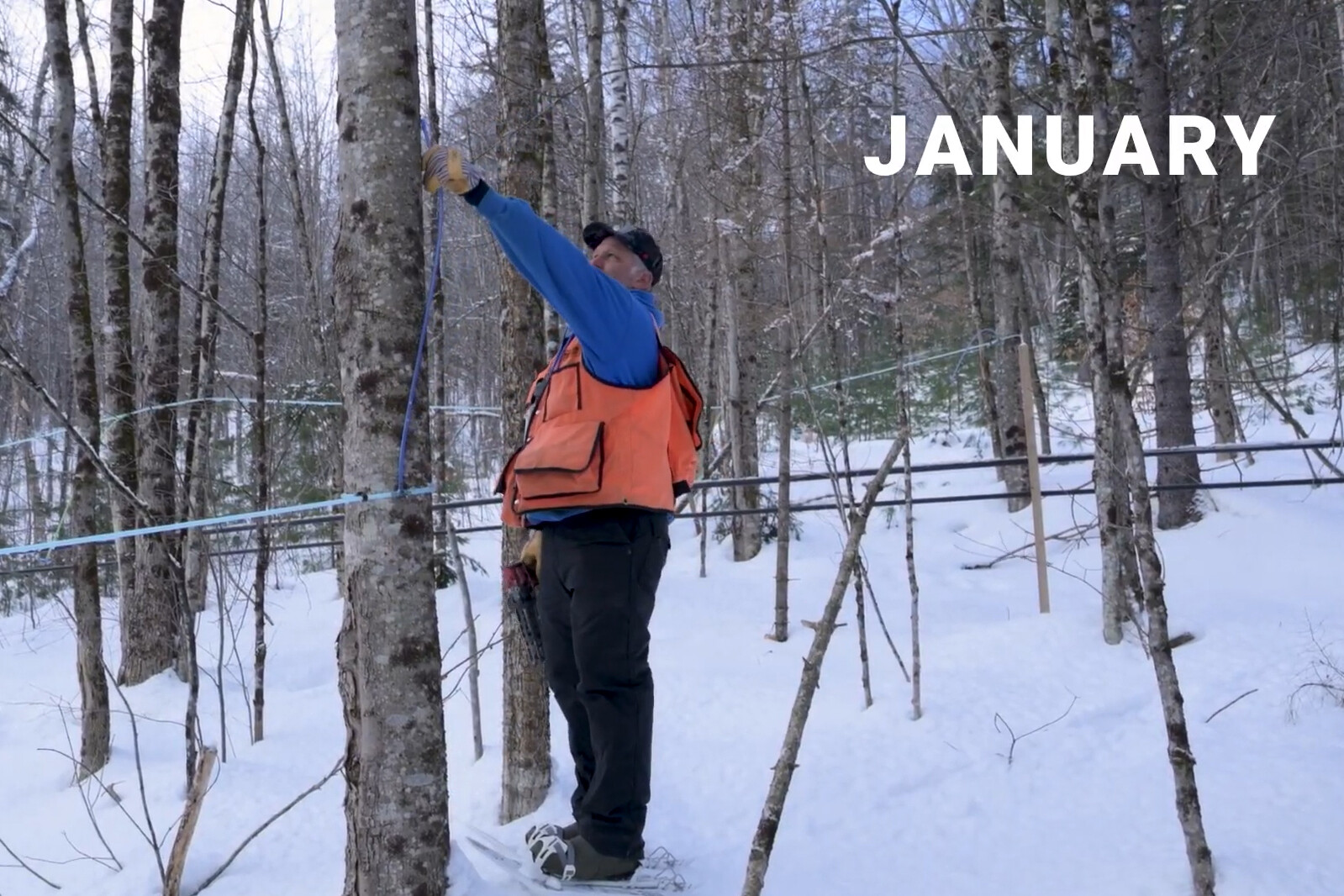
February and March are peak maple tapping season, so we’re taking you behind the scenes of the tree-to-table process. And step 1 is tapping the tree to get that sweet sap. Maple sap flows when the conditions are just right, when nighttime temperatures drop below 32°F and daytime temperatures rise above 32°F. That freeze–thaw cycle creates pressure changes inside the tree.
No freeze = no flow.
Luckily, Vermont has long, cold winters, gradual spring thaws, a high concentration of sugar maples, and ideal elevation and soil conditions - making it the gold standard for maple production.
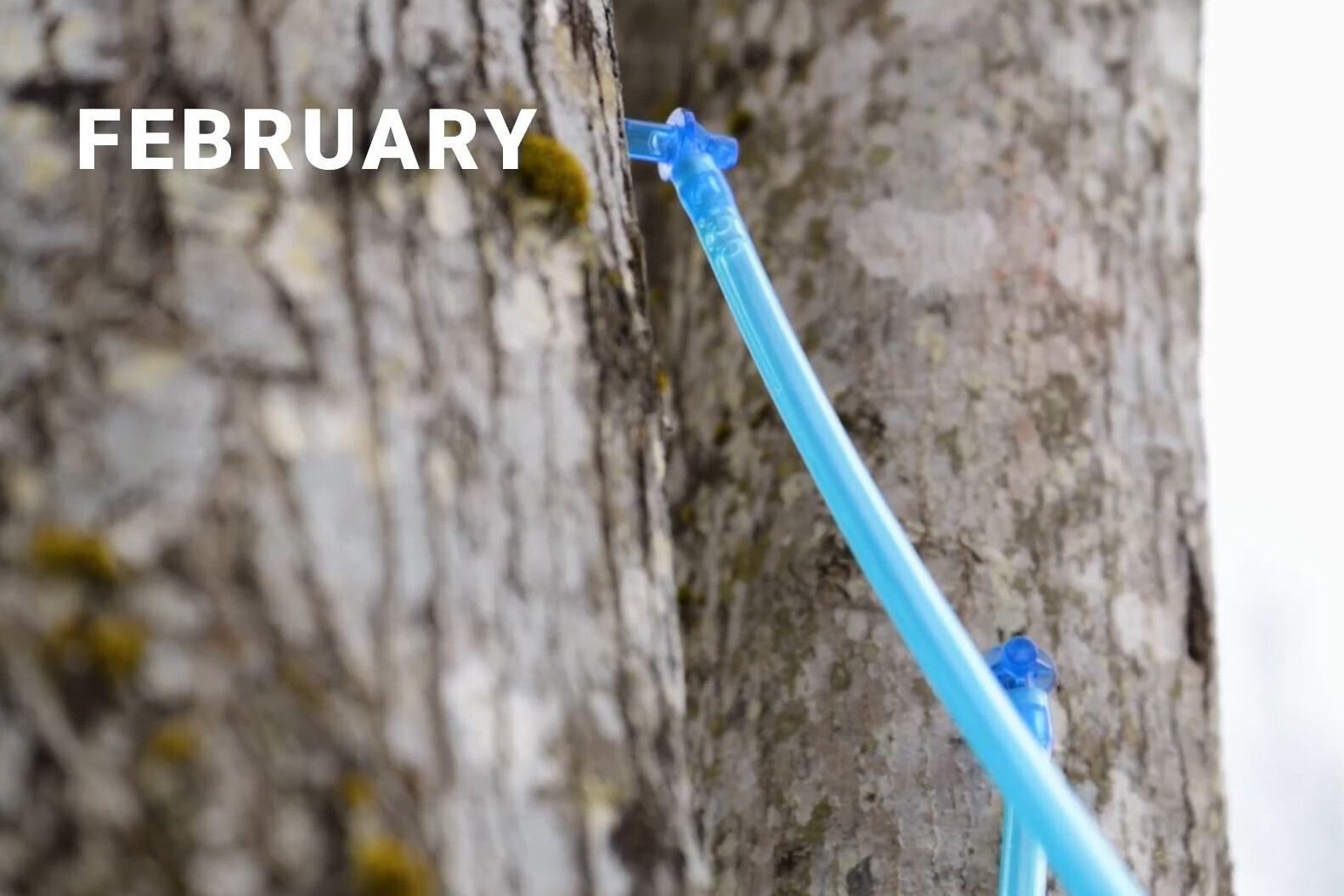
Once the sugar content begins to rise, maple producers(our partners) tap the trees to collect that sweet flow.
A single tap hole produces enough sap for about 1–2 32-oz Sugarman jugs each season! And that’s exactly why we value partnering with maple farms across the state, working hand-in-hand with trusted producers to ensure quality, consistency, and the ability to meet demand year after year.
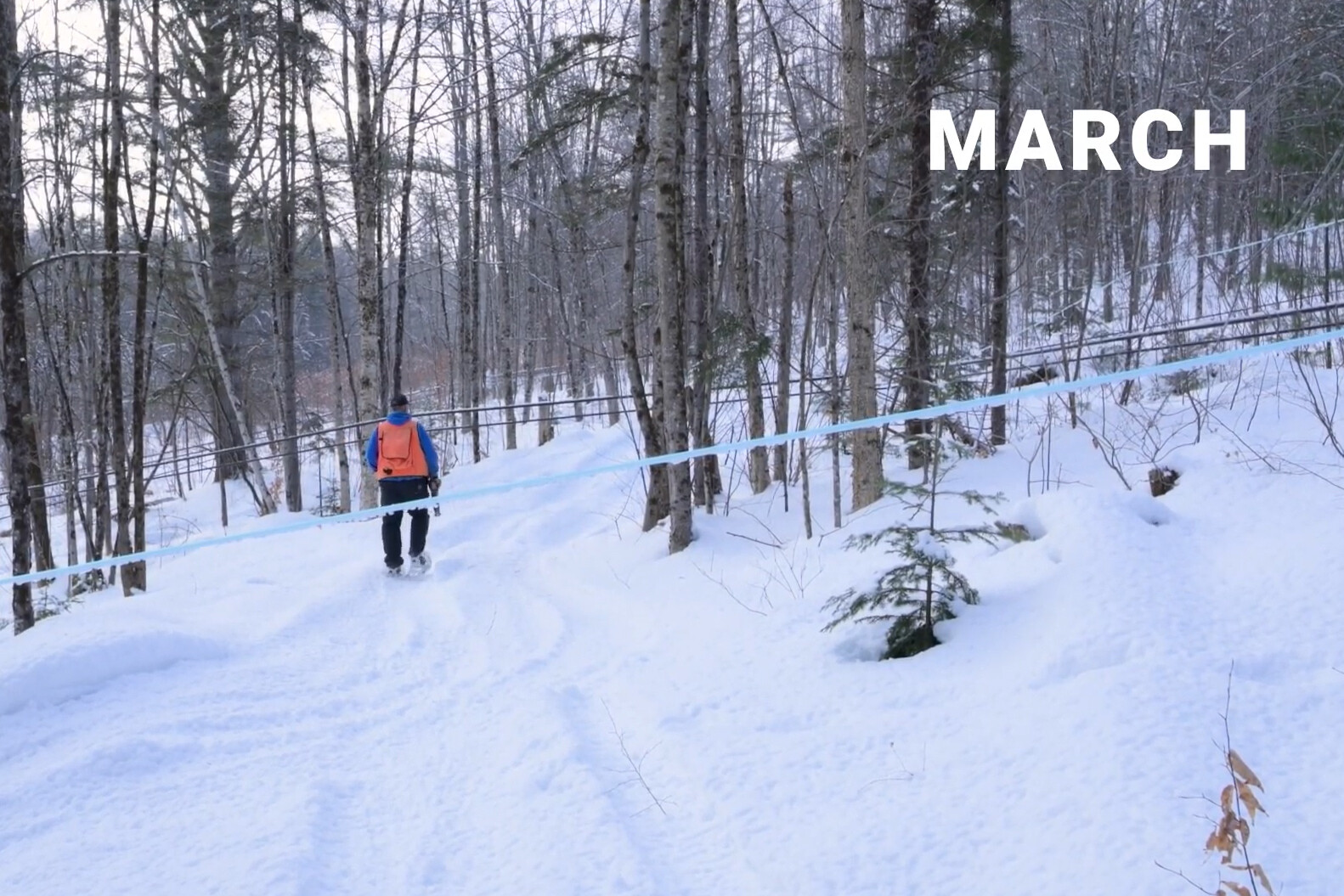
March is peak maple season, when the sap starts to thaw. After tapping, the next step is the flow. Raw maple sap is made up of natural elements: about 1–3% natural sugars (primarily sucrose), along with minerals, amino acids, and naturally occurring antioxidants.
That’s what makes pure maple syrup a more natural alternative to processed sugar in cooking, baking, and even your morning coffee.
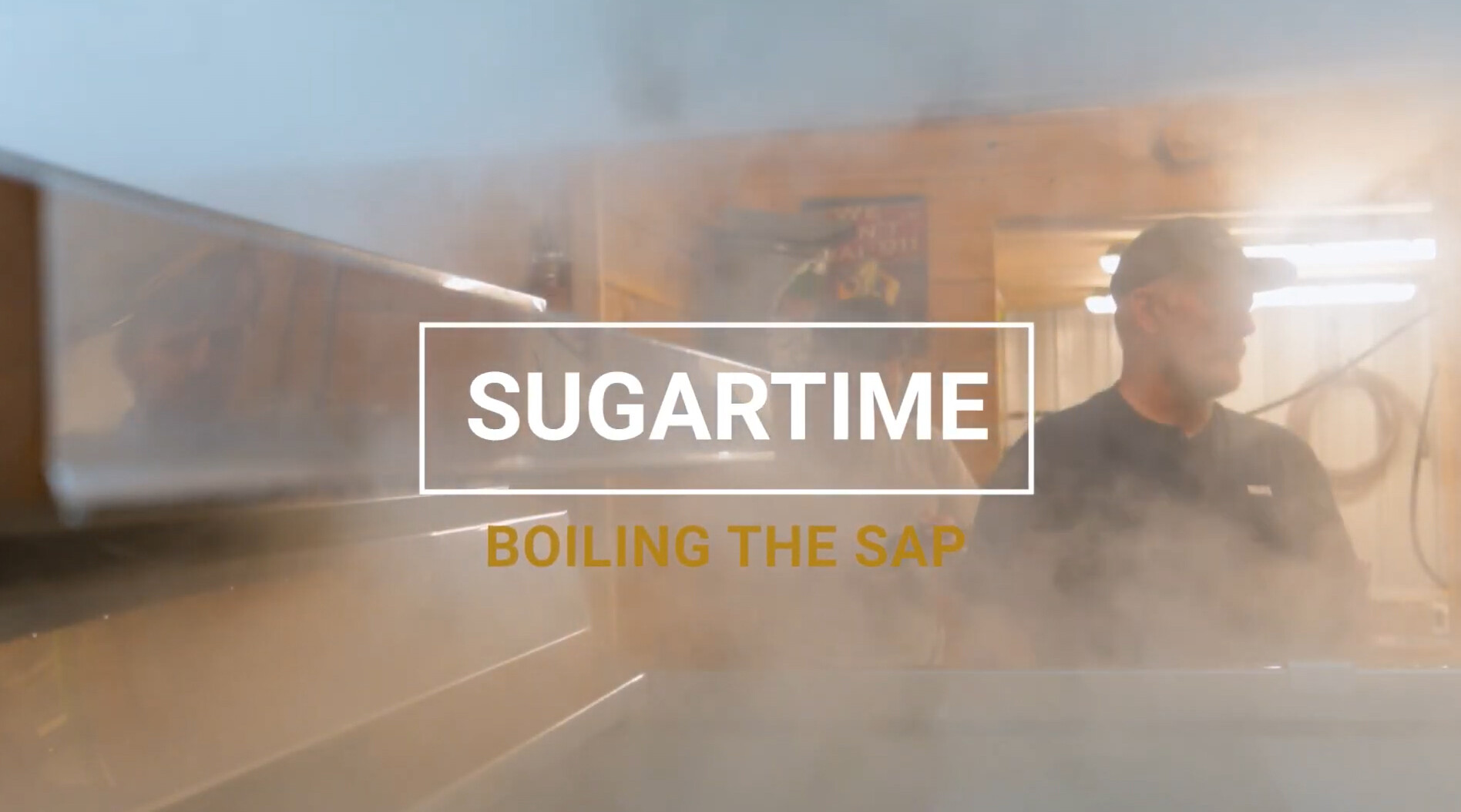
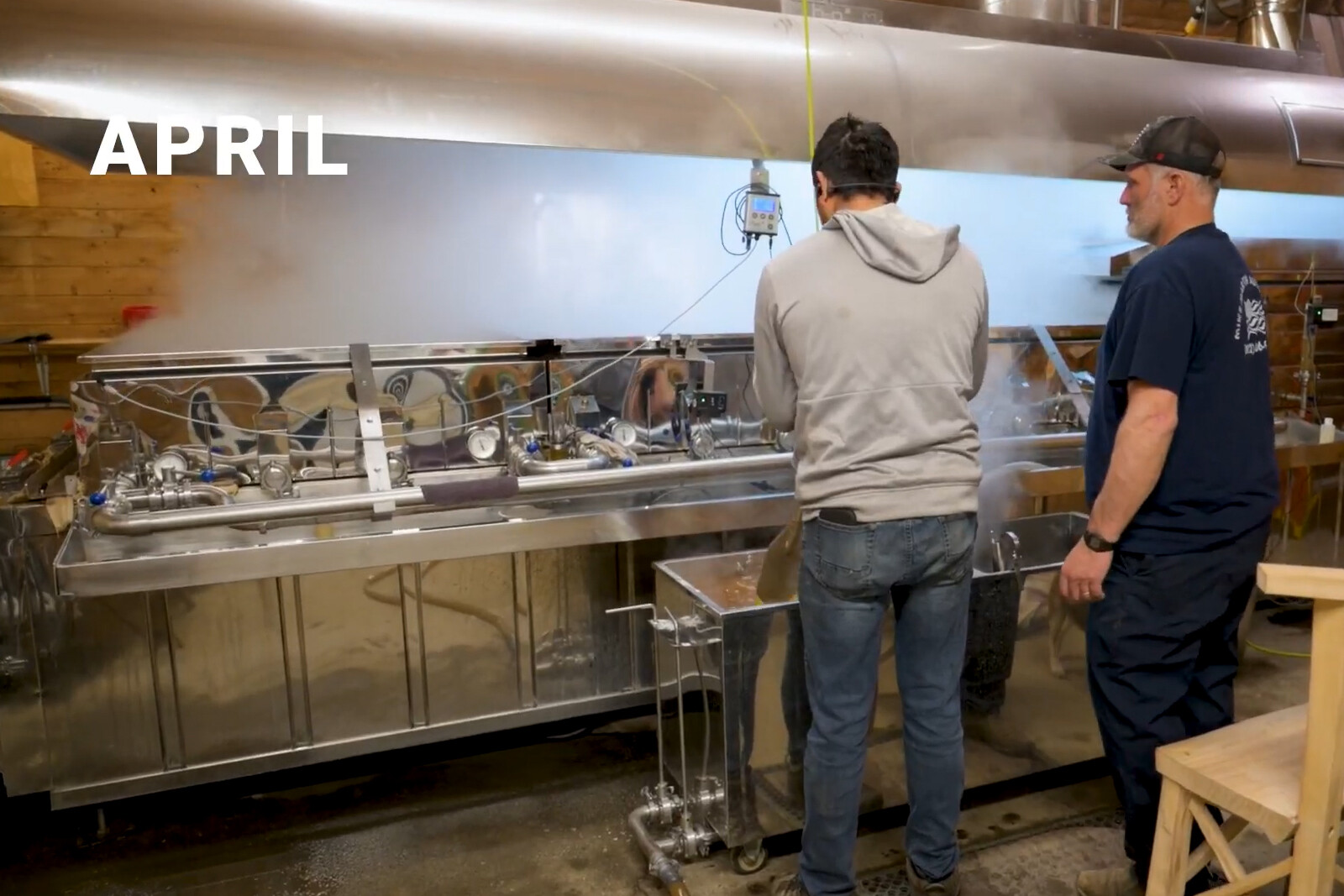
Steam, heat, and precision, this is where maple sap becomes maple syrup!
After collection, our maple partners bring raw sap into the sugarhouse to begin the boiling process. At this stage, sap is still made up of mostly water, with only a small percentage of natural sugars. The goal is simple: remove the water and concentrate what’s left.
Inside the evaporator, sap is heated to just the right point, finishing at approximately 219°F. That temperature signals the correct sugar concentration, transforming sap from about 2% sugar to the 66–67% required to be classified as maple syrup.
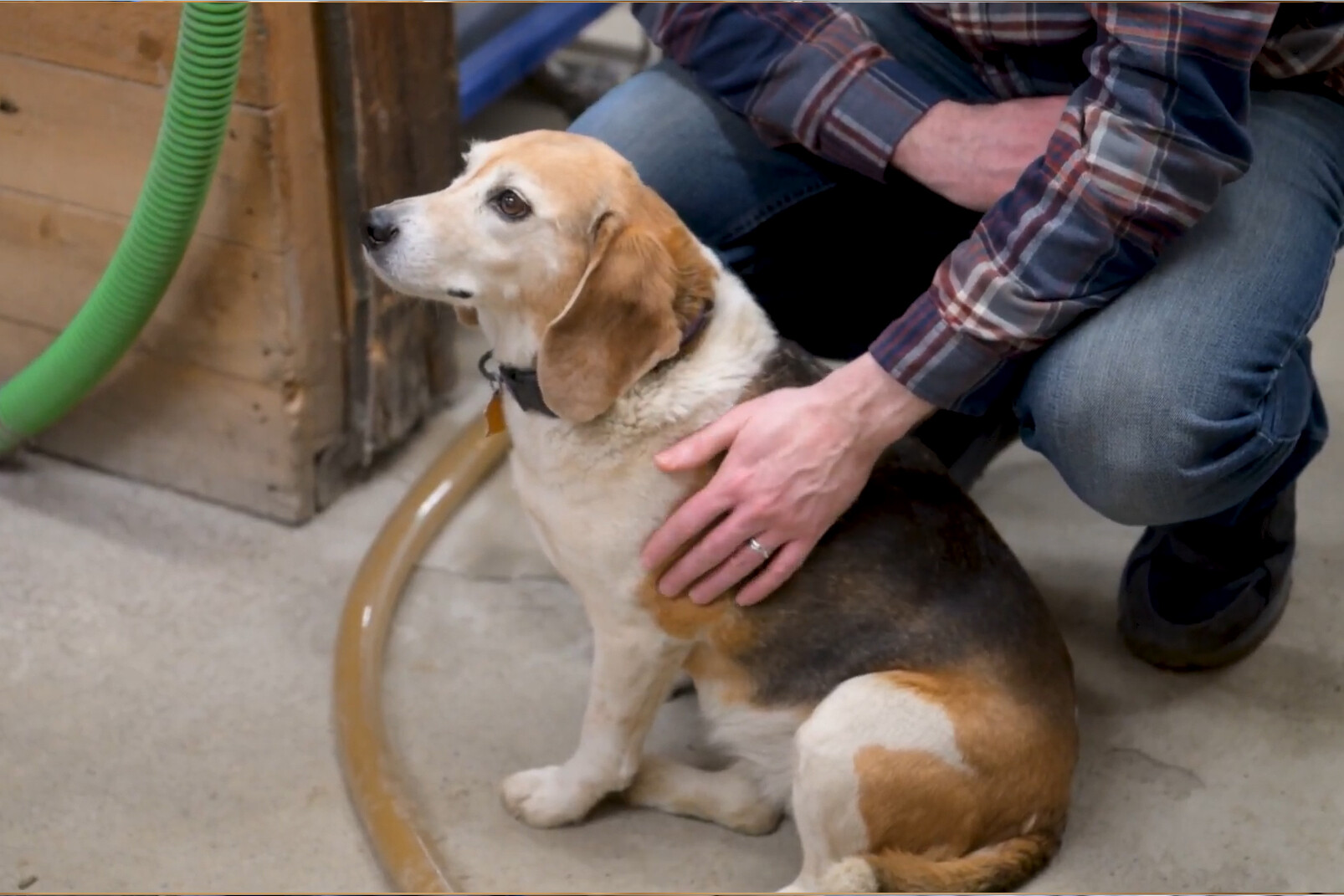
Our maple partners continuously monitor temperature, sugar density, and flow rate to ensure consistency in every batch. Small changes in heat or timing can impact flavor, color, and final quality.
And while the final yield is small, the process is not. It takes roughly 40 gallons of sap to produce just one gallon of maple syrup. The rest is released as steam, a familiar sight rising from Vermont sugarhouses throughout March.
At Sugarman, we rely on the precision and experience of our maple partners to get this step right. It’s where science meets craft, and where the foundation of every bottle begins to take shape.
Many thanks to the talented crew at Storyworkz, a Montpelier, VT videography company, for helping create this amazing producer video: https://storyworkz.com/
Also thanks to Mike Martin of Craftsbury Commons, VT for hosting us for the video!
